UX/UI CASE STUDY

CERD Web Project 

COMPANY

RPW Department / Saginaw Valley State University

ROLE

UX/UI Designer

DELIVERABLES

Working Prototype

YEAR

2025

Project Overview

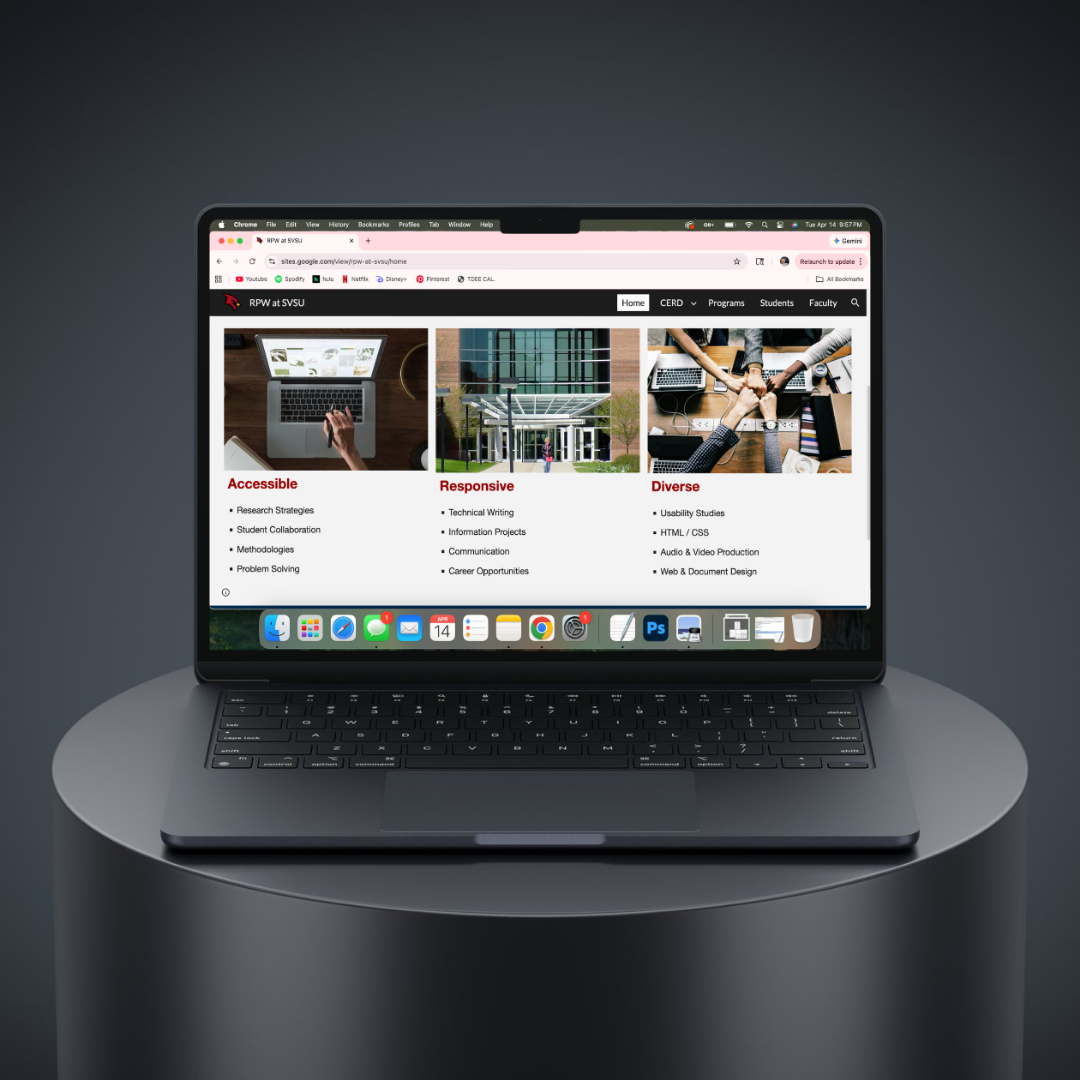
This project is a UX/UI redesign prototype for the Center for Experience, Research, and Design website, focused on improving usability, navigation, and overall user experience. Developed collaboratively from multiple wireframe concepts, the redesign brings together five individual design approaches into a more cohesive and user-centered structure. The site was built as a working prototype for feedback and critique, not a final product, with an emphasis on simplifying layout, improving information flow, and making content more accessible for students and faculty. Google Sites was chosen as the development platform because it best supported the project’s design needs and allowed for a cleaner, more flexible presentation of content.

UX Research

Target Markets

85%

Primary Audience

Approximately 85% of the target audience for this website consists of RPW students, making them the primary users of the platform. This group primarily uses the site to access program information, resources, coursework-related content, and updates specific to the department. Because of this, the design prioritizes clarity, quick navigation, and easy access to academic and departmental materials that directly support their studies and daily needs.

15%

Secondary Audience

The remaining 15% of the audience includes students from other departments as well as incoming or prospective students exploring the program. This group typically uses the site to learn more about the Center for Experience, Research, and Design, understand what the program offers, and evaluate whether it aligns with their academic interests. For these users, the design focuses on providing a clear introduction to the department, highlighting key information in an approachable and easy-to-understand format to support discovery and recruitment.

User Thought Process/Interview Findings

Through informal user discussions and feedback, we identified that users primarily visit the site to quickly find answers about the program, understand what CERD offers, and locate relevant resources such as labs, study spaces, and contact information. A key takeaway was the need for a clear and intuitive flow, allowing users to navigate the site without confusion or unnecessary steps.

Key Findings from User Interviews:

• Users need a clear and intuitive site flow to navigate without confusion or extra steps
• Quick access to answers about RPW and CERD is a top priority
• Users want an easy way to understand how labs are organized and what each one offers
• Clear and visible access to contact information is important
• Users expect simple pathways to labs, study spaces, and key department resources
• Overall, users prioritize simplicity, fast information retrieval, and easy exploration of the site

Group wireframing process

Collaborative Wireframing & Site Structure Development

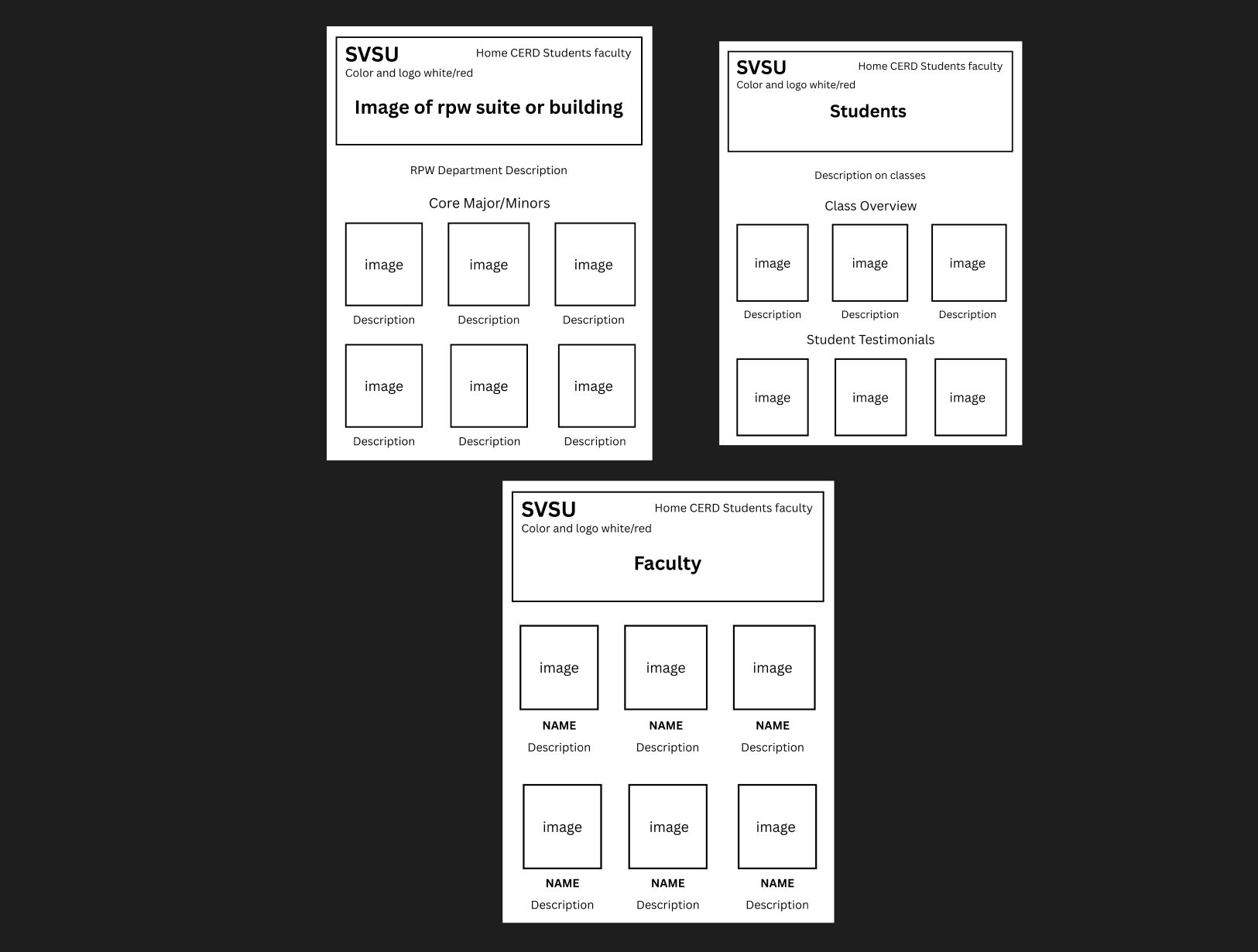
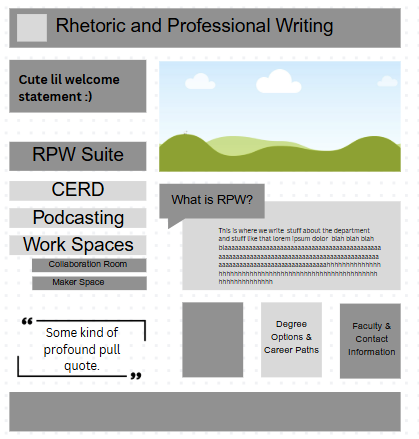
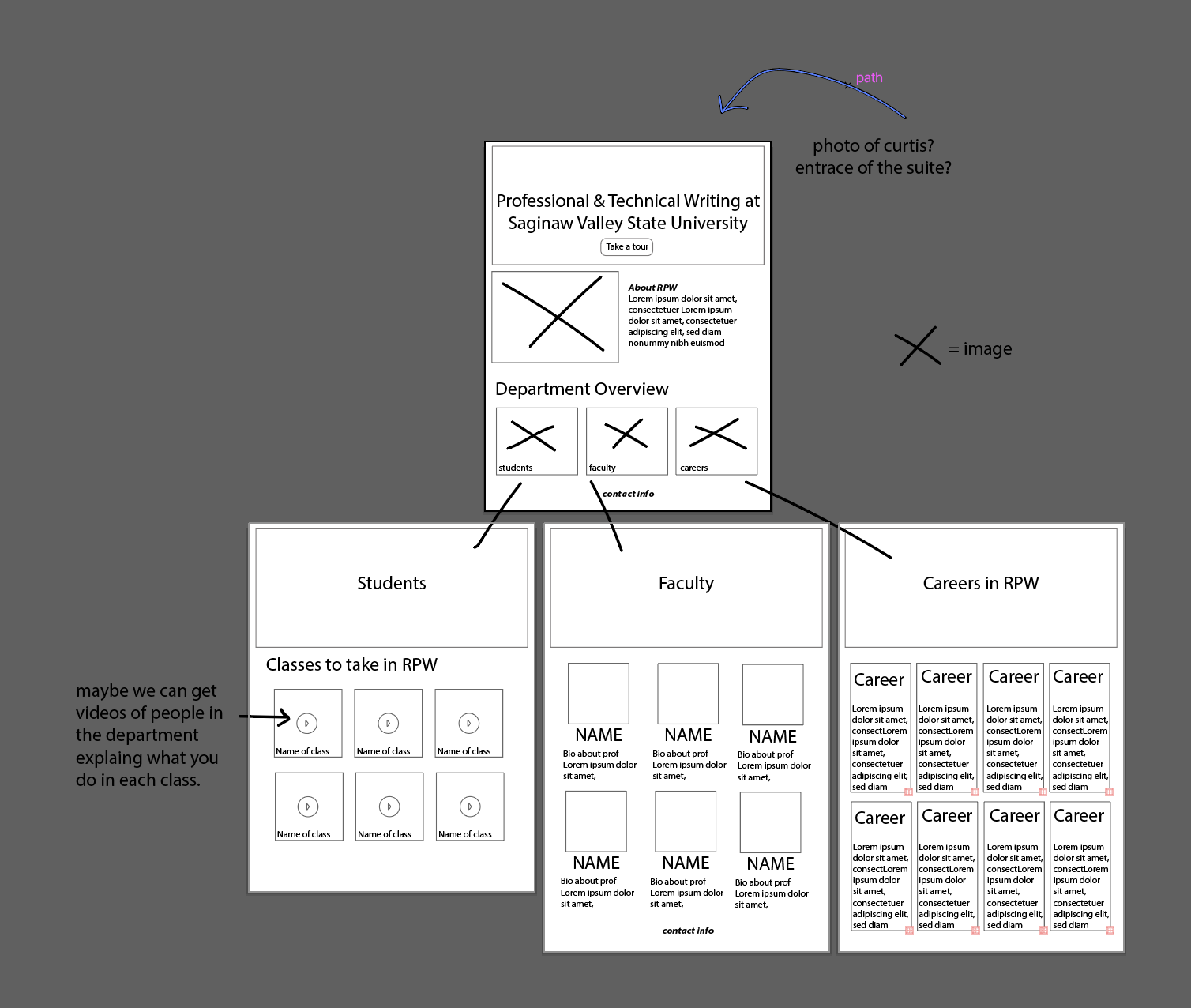
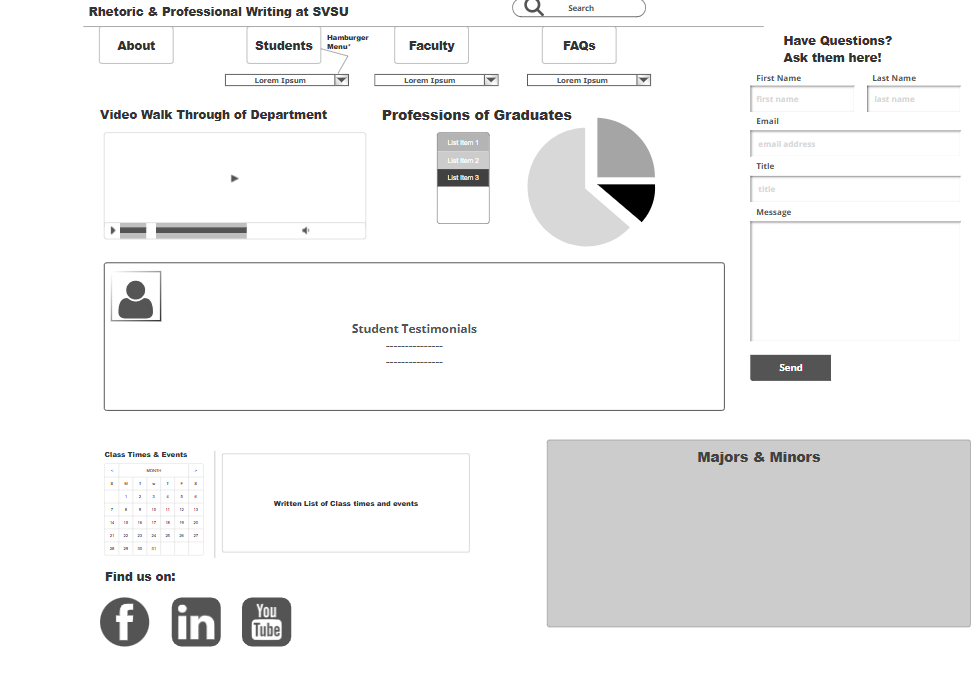
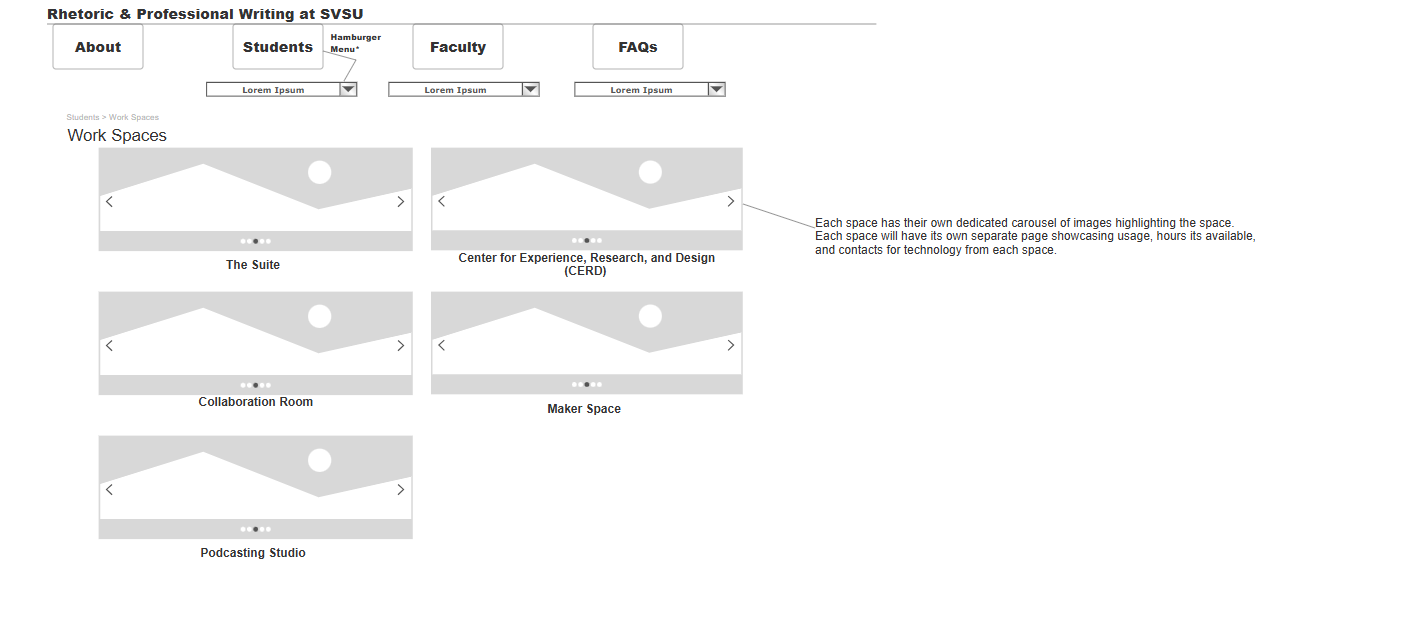
We began the project with a collaborative wireframing process to define the overall structure and user flow of the website. Working as a group, we explored multiple layout ideas and refined them into a cohesive system that would support both RPW students and incoming users. The final structure was organized into a clear hierarchy of pages, including a home/landing page for quick navigation and overview content, a dedicated CERD section with individual subpages for each lab, and informational pages explaining both RPW and CERD to provide context for new users. In addition, we developed a contact page and faculty introduction section to improve accessibility and communication within the department. This wireframing phase helped establish a unified layout direction, ensuring consistency, clarity, and ease of navigation across the entire site before moving into visual design.

Final Design

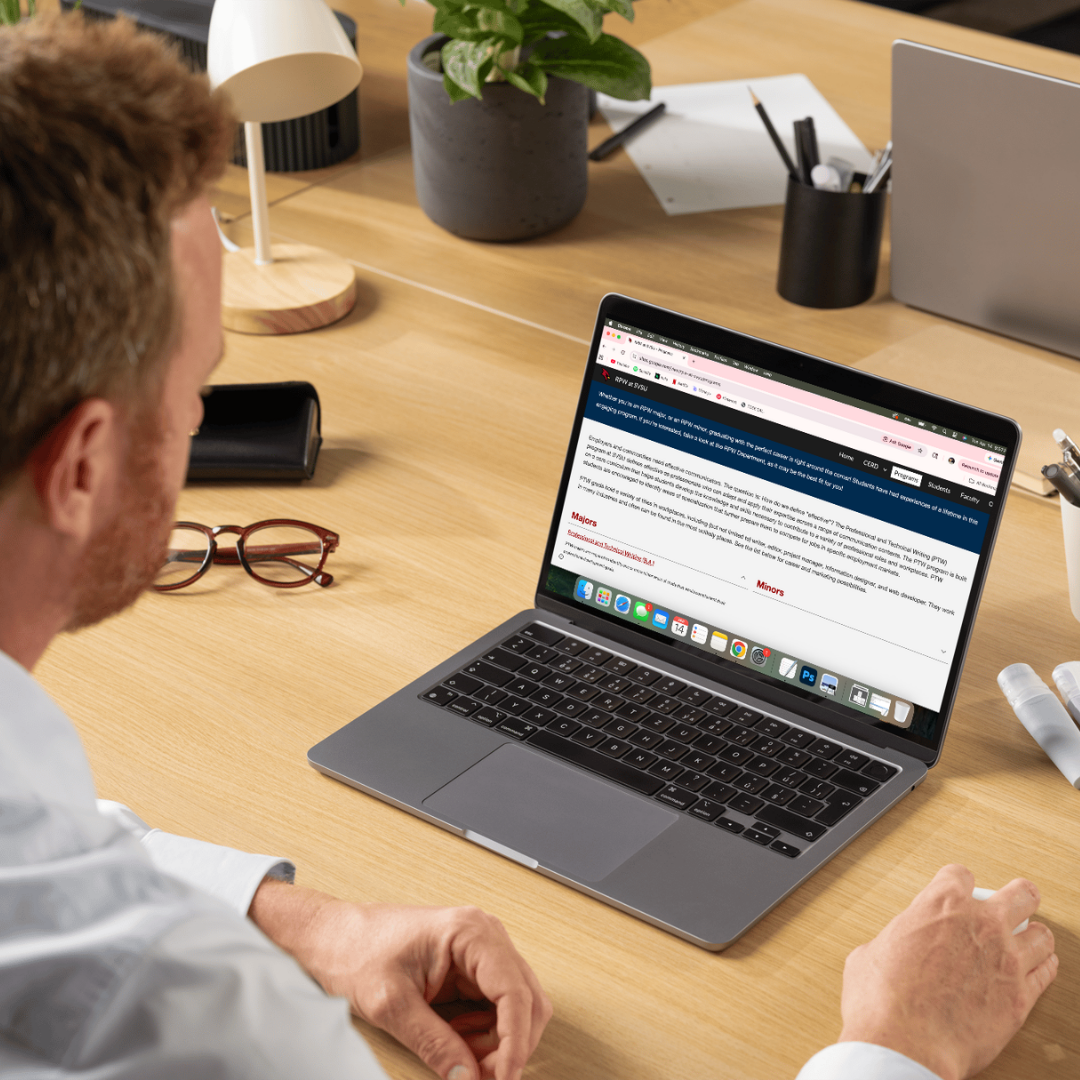
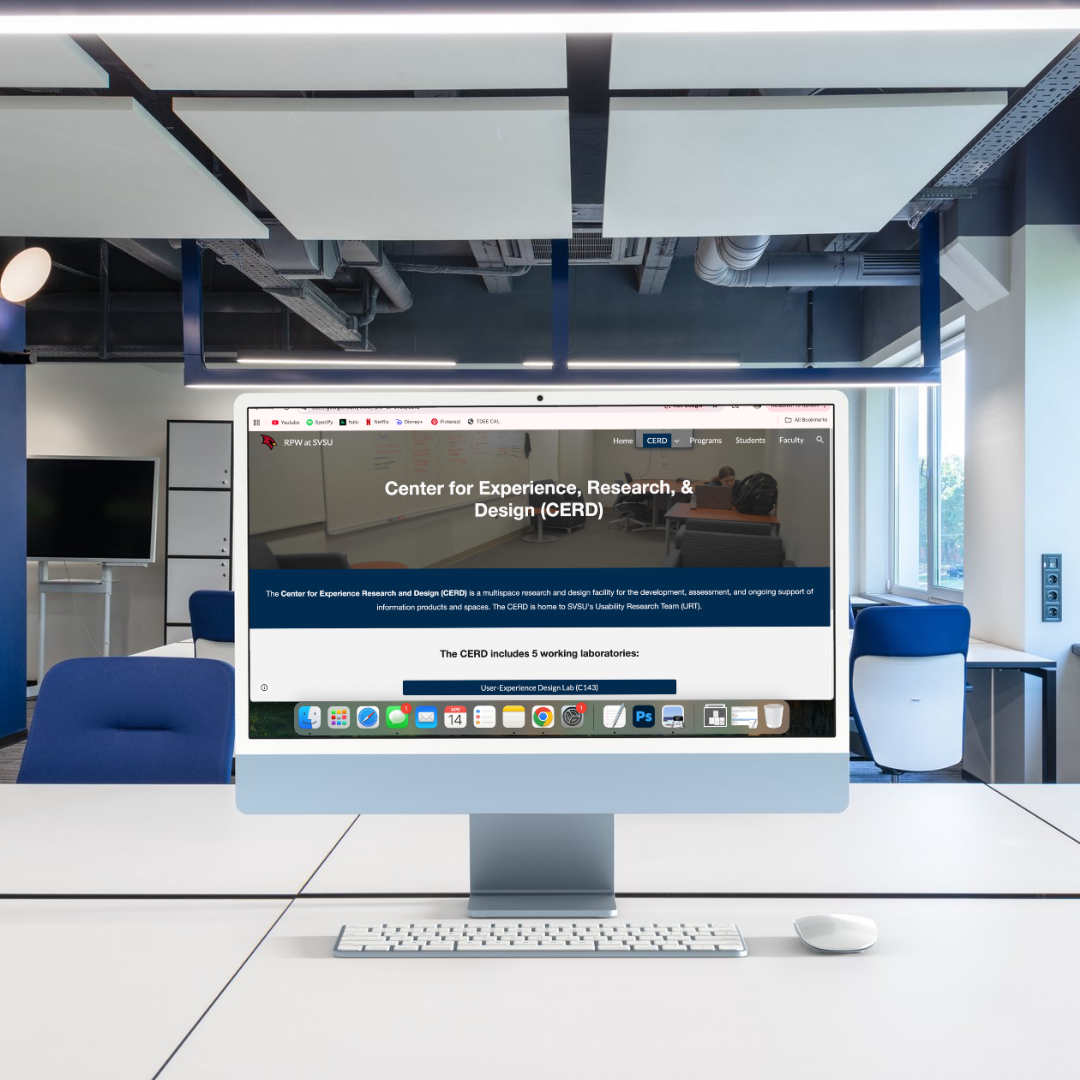
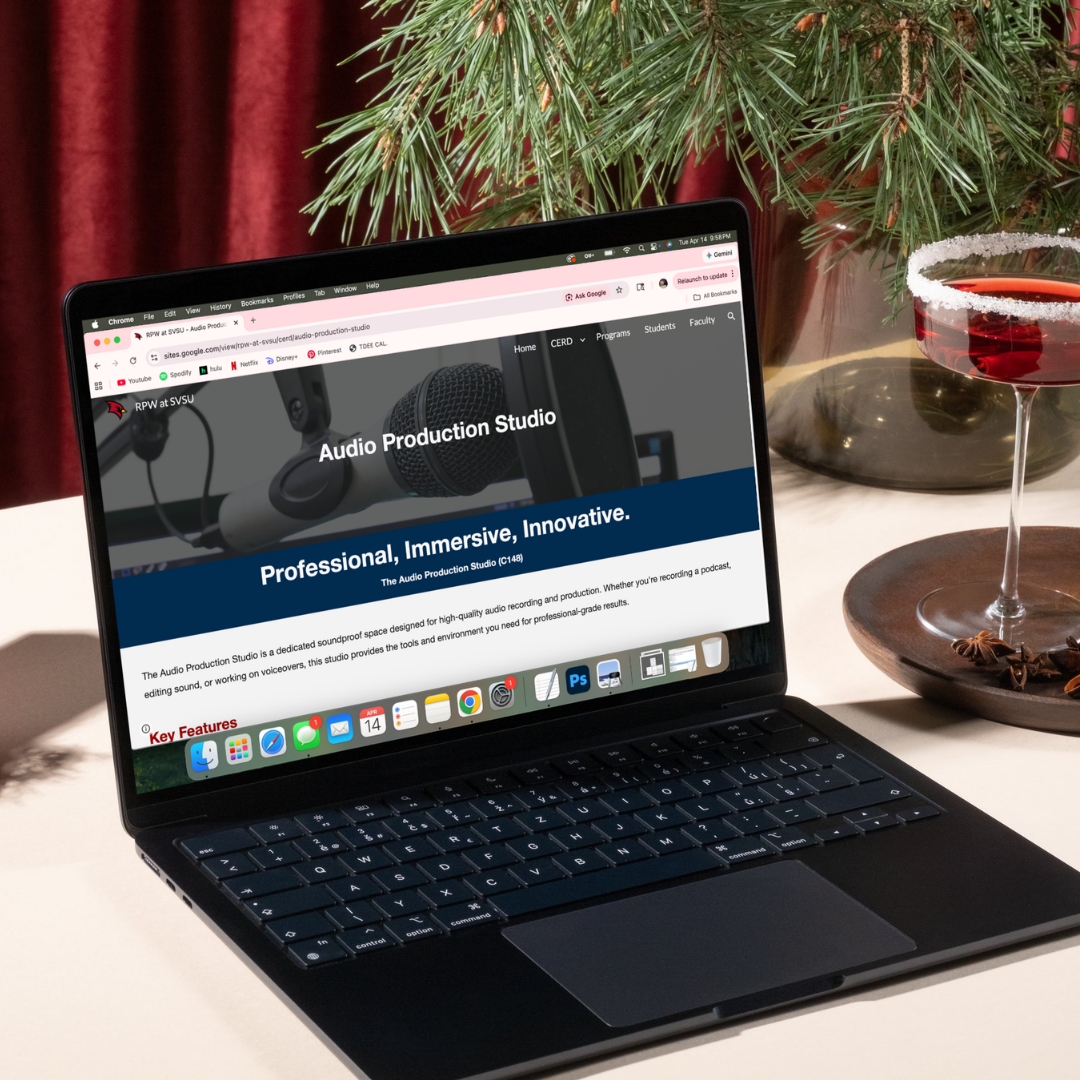
The final design brings together all wireframing and collaborative planning into a clean, structured website that prioritizes clarity, accessibility, and ease of navigation. It creates a cohesive user experience by organizing key information about RPW, CERD, labs, and faculty into clearly defined sections with intuitive pathways. The result is a simple, user-centered interface that allows visitors to quickly find information, explore resources, and connect with the department.

Next Projects